Every agent is trained on your product before they handle live contacts — not generic scripts. We monitor technical accuracy, troubleshooting quality, escalation discipline, and communication clarity continuously, not once a month in a spreadsheet.
Technical support quality you can measure
Outsourcing first-line support should not mean your users get slower answers or your engineering team gets noisier escalations. We built our operation around measurable quality — thorough product onboarding, structured escalation, native-language agents, continuous QA, and reporting your second-line team can trust.
✓
<1 hour
Average first response time
Under 3%
Annual agent turnover
Quality in numbers
<0 hour
Average first response time
0–95%
First-contact resolution rate
Under 0%
Annual agent turnover
Your real-time dashboard
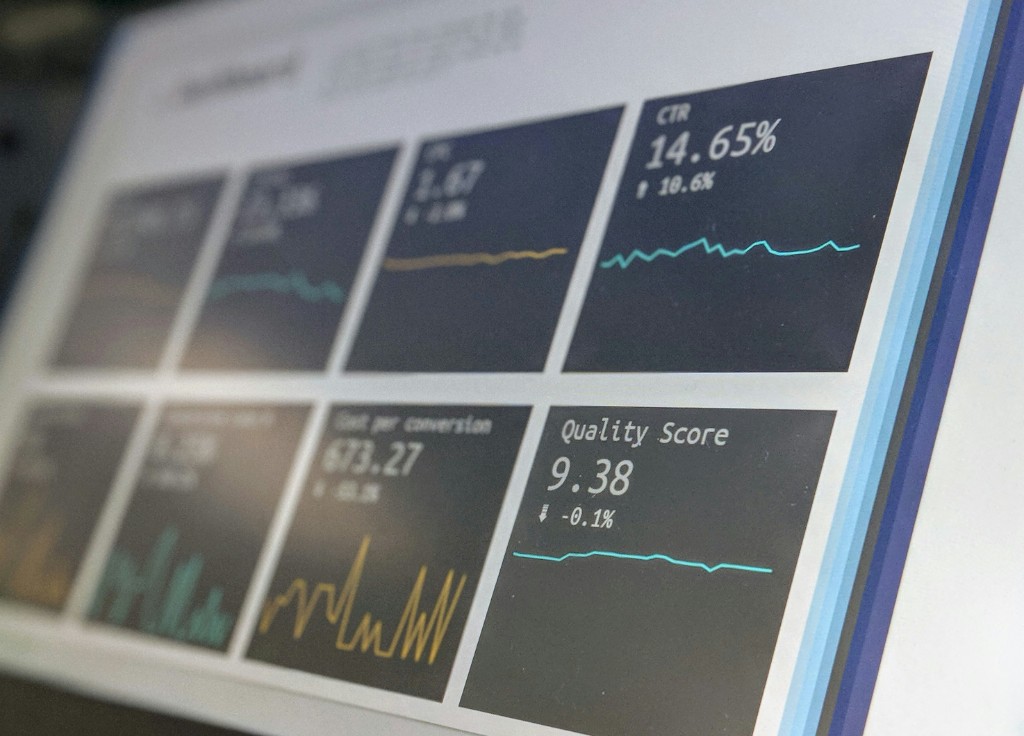
You log in to your client dashboard and see the same data our team uses — ticket volume, first response times, first-contact resolution and escalation rates, CSAT scores, and QA data, updated continuously. Nothing is hidden.
That visibility is your operational baseline: it tells you what is happening now across languages and time zones — including overnight and weekend performance — without waiting for a monthly summary.
Quarterly technical support review
Real-time dashboards tell you what is happening now. The quarterly review tells you what your support data has been showing over the past three months — and what it means for your product and your users.
Every quarter, qualifying clients receive a structured review produced from their ticket data. It goes beyond headline metrics. It identifies patterns in issue types and volume, surfaces CSAT trends by language and market, analyses escalation and bug-triage patterns, and — most usefully — produces specific recommendations for your knowledge base, release readiness, and L1 capability.
Quarterly technical support review — what it contains
01
Issue-type and volume trends
Patterns by contact type, product area, and time of day — identifying where support demand is shifting, which releases generated spikes, and whether volume is growing faster than resolution capability.
02
CSAT by language and market
Customer satisfaction trends over the quarter, broken down by language, channel, and agent team — revealing where first-line quality is strongest and where additional training or knowledge base work is needed.
03
Escalation and bug-triage analysis
Which issue types escalate most frequently, how accurately L1 distinguishes user error from genuine bugs, and what escalation patterns suggest about documentation gaps, product behaviour, or release coordination.
04
Knowledge base and release recommendations
Specific, actionable recommendations based on the quarter's data — knowledge base updates, troubleshooting guide improvements, onboarding changes, or release-readiness steps that would reduce unnecessary escalations to your engineering team.
The quarterly review is included at no additional cost for clients above a qualifying contract tier. It is produced quarterly and delivered to your account manager with a briefing call to walk through the findings and recommendations.
Most outsourced support providers report your ticket count. We tell you what your support data is signalling about your product — and what to do about it.
Service level agreements — what we commit to and how we report on it
We offer service level agreements as an optional add-on — a documented set of commitments covering first response times, L1 resolution timeframes, escalation handoffs, and quality thresholds. SLAs are not a formality. They are how we are accountable for outcomes rather than just activity.
SLA covers
| Area | What is agreed and how it is measured |
|---|---|
| First response time | Agreed per channel — email, live chat, telephone, and other channels you offer — based on your users' expectations and your business requirements. For clients requiring 24/7 coverage, first response SLAs apply at every hour. Measured at the contact level and visible in your dashboard in real time. |
| L1 resolution time | Agreed for standard first-line contact types — installation and setup, configuration issues, account queries, and product FAQs. Contacts requiring L2 investigation have separate escalation timeframes. Measured at the contact level and reported monthly. |
| Escalation handoff | When a contact requires escalation to your L2 team, the timeframe from escalation to structured handoff is agreed during onboarding. Critical issues — hardware failures affecting business continuity, for example — have separate out-of-hours notification protocols documented before go-live. |
| Quality threshold | Minimum QA score threshold agreed per engagement. If average scores fall below threshold in any reporting period, we flag it proactively and implement a remediation plan. We do not wait for you to notice a quality issue — our QA monitoring identifies it in real time. |
| Availability | For clients with 24/7 first-line coverage — agreed availability targets and what constitutes a reportable incident. Measured and reported monthly, including overnight and weekend performance. |
What happens when an SLA is missed
If an agreed SLA is missed, you see it in your client portal in real time, and you can receive notifications when configured thresholds are reached. SLA misses are also documented in the relevant monthly report with root cause analysis. For clients on service agreements with SLA credit provisions, these are applied automatically without requiring a formal dispute process.
We have never had a client leave because of an SLA breach that was handled transparently. The breaches that damage client relationships are the ones that are hidden or minimised. We do neither.
Agent quality and product knowledge
Our annual agent turnover rate is under 3%. In technical support, where product knowledge takes months to develop, low turnover is a direct quality advantage — the agents handling your users today are still handling them in twelve months, with deeper knowledge of your product's edge cases and failure modes.
QA scores are calculated natively within our platform — not in a separate tool. Every interaction is scored in real time, and the data is visible in your client dashboard immediately. Our KSF certification reflects externally audited operating standards applied across every language and channel.
Who is behind those standards? Read about us.